Life Science Research Program
Presented by Dr. Anwesha Banerjee, Dr. Supraja Prakash, and Dr. Roopa Holehonnur
Why Learn Life Science Research?
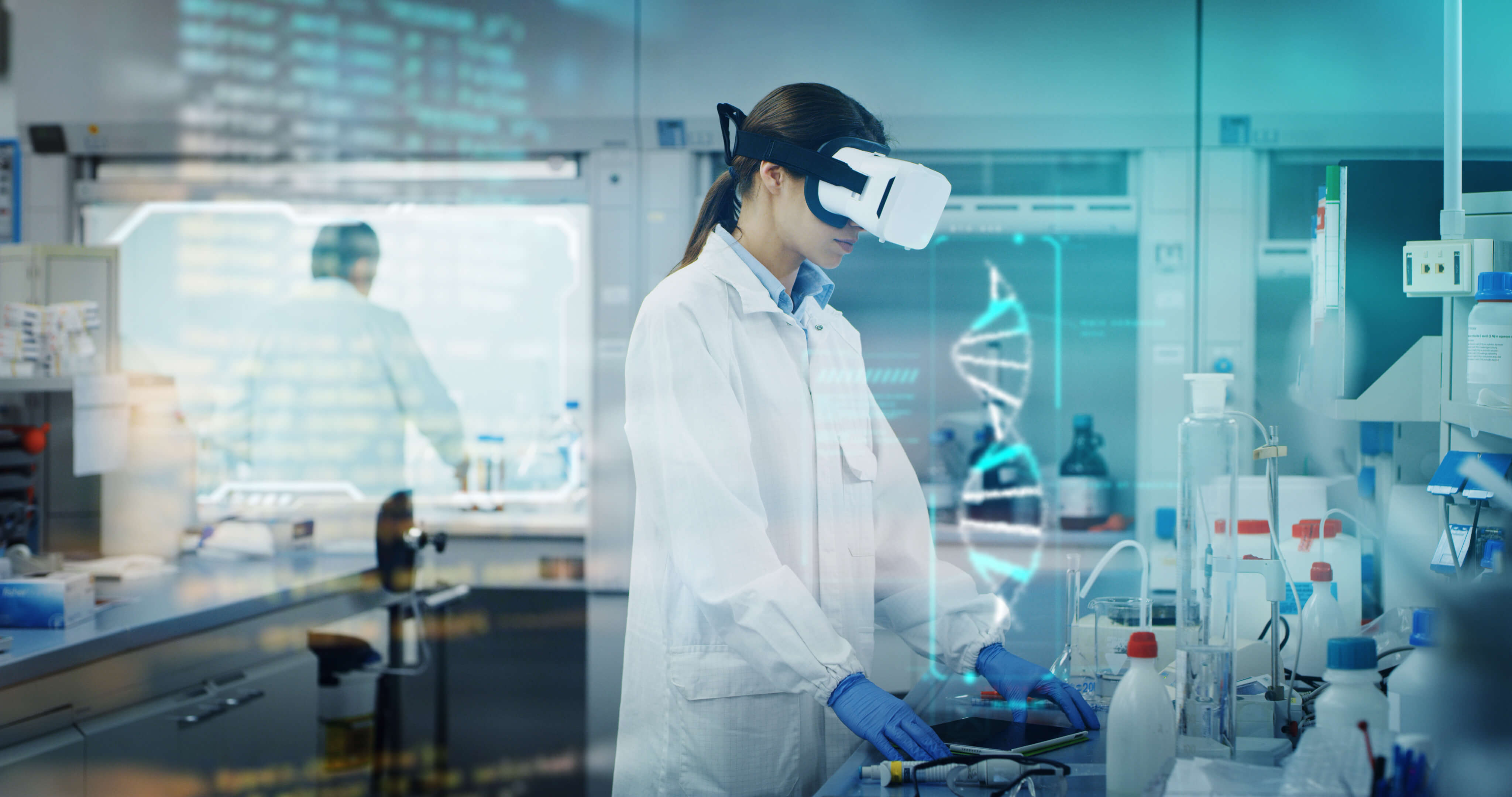
Life science research helps us understand living organisms and improve human health, agriculture, and the environment. It plays an important role in fields such as medicine, genetics, neuroscience, biotechnology, and public health.
Students who learn research methods early gain a deeper understanding of how scientific discoveries are made. They learn how to evaluate information, ask meaningful questions, interpret data, and communicate scientific ideas clearly. These skills are valuable not only for future studies in STEM fields but also for college applications, internships, and research opportunities.
Program Overview
The Life Science Research Program at iStart Valley is designed for high school and undergraduate students who want to learn how scientific research is conducted. Guided by experienced scientists and researchers, students explore each stage of the research process, from identifying a research question and reviewing scientific literature to developing a hypothesis, analyzing data, and presenting their findings.
This online program provides an opportunity to build research skills without the need for a traditional laboratory. Students gain practical experience in scientific inquiry while developing analytical, writing, and presentation skills that support future studies in medicine, biotechnology, genetics, neuroscience, and other life science disciplines.
Whether students plan to pursue research, healthcare, or STEM careers, the program provides a strong introduction to scientific research and helps them build confidence for future academic opportunities.
Learning Outcomes
By the end of the program, students will be able to:
- ✓ Understand the stages of the scientific research process.
- ✓ Read and evaluate scientific literature.
- ✓ Develop research questions and hypotheses.
- ✓ Learn commonly used life science research techniques.
- ✓ Analyze and interpret biological data.
- ✓ Write scientific abstracts and research summaries.
- ✓ Create and present a scientific research poster.
- ✓ Strengthen analytical thinking and scientific communication skills.
Who Should Enroll?
This program is suitable for:
- ✓ High school students interested in biology, medicine, biotechnology, genetics, or neuroscience.
- ✓ Undergraduate students planning to pursue research or graduate studies.
- ✓ Pre-medical and healthcare students.
- ✓ Students interested in developing research and scientific writing skills.
Life Science Research Curriculum
The curriculum follows the key stages of a research project and combines scientific concepts with practical application.
- ✓ Understanding the research process
- ✓ Scientific thinking and research ethics
- ✓ From research question to publication
- ✓ Reading scientific papers
- ✓ Conducting literature reviews
- ✓ Finding reliable scientific resources
- ✓ Scientific citation methods
Students will be introduced to commonly used research techniques, including:
Topics include:
- ✓ DNA and RNA gel analysis
- ✓ Behavioural data interpretation
- ✓ Physiological data analysis
- ✓ Protein and gene sequence analysis
Students will develop a research proposal in an area of interest, such as:
Students will learn how to prepare:
- ✓ Scientific abstracts
- ✓ Research manuscripts
- ✓ Scientific posters
- ✓ Oral presentations
The program concludes with a conference-style poster presentation where students present their research proposal and receive feedback from faculty mentors.
Program Schedule
September 19 to December 19, 2026
Every Saturday
The program is delivered online through live interactive sessions using advanced collaboration tools and virtual learning platforms.
Program Fees & Registration
Payable in two installments:
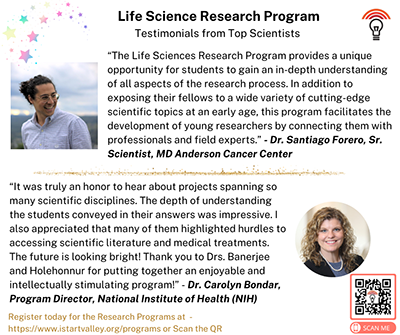
Testimonials from Industry Leaders
Meet the Instructors

Dr. Anwesha Banerjee
PhD, of Brisbane, California, is a neuroscientist for Annexon Bioscience. In her role, she leads research programs with the mission to develop cure for neurological disorders. Banerjee holds a doctorate degree in neuroscience from the University of Texas at Dallas. While earning her doctorate, she was awarded the Women in Bio Behavioral Scholarship, and in 2017 she became a Myotonic Dystrophy Foundation Fellow to advance knowledge in the field of Myotonic Dystrophy. She has been the recipient of Women in bio behavioral scholarship in 2013 by UTD and has been awarded with a fellowship by Myotonic Dystrophy Foundation/ Wyck Foundation in 2017 to conduct her own independent research in finding a cure for Myotonic Dystrophy. She has authored multiple publications in the area of autism, fragile X and myotonic dystrophy.
Dr. Banerjee is the Executive Director of iStart Valley, where she helps expand the Human Capital Accelerator programs, geared toward helping individuals transition their careers to new and emerging industries. Her leadership helped start several new educational programs that are now delivered to hundreds of middle and high school children across North America in a virtual setting.
She has been an active member of Toastmasters International for over ten years. What started as a sidestep for professional development has now become her passion. She is a Distinguished Toastmaster, which is the highest level of educational goal one can achieve in the organization. She currently serves as an elected member of the Board of Directors where she provides strategic direction to help the organization that comprises of >270,000 members in 148 countries. An avid public speaker, she is well versed in facilitation, communication and leadership skills, winning various awards & commendations for her speeches and presentations.
Dr. Supraja Prakash, MS, CGC
Certified Genetic Counselor
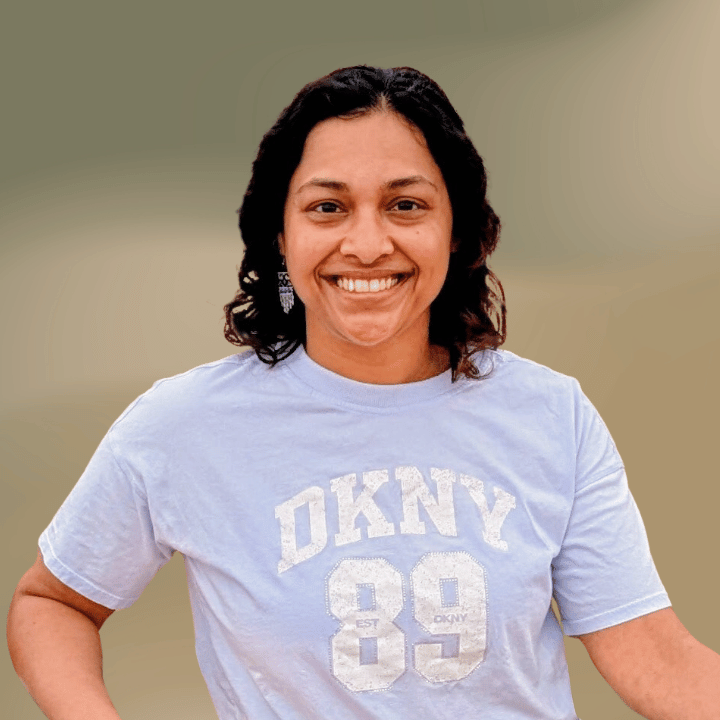
Supraja Prakash, MS, CGC, is a Certified Genetic Counselor with expertise in clinical genetics, rare diseases, cardiovascular genetics, dermatogenetics, and clinical laboratory sciences. She holds a Bachelor of Engineering in Biotechnology along with master's degrees in Molecular Biotechnology and Genetic Counseling.
Her experience spans clinical genetics, cancer and medical genetics research, public health program development, and graduate-level education. Prior to her clinical practice, Supraja conducted research in pediatric hematology-oncology, contributing to studies on Acute Myeloid Leukemia (AML) and Diamond-Blackfan Anemia.
Passionate about education and mentorship, Supraja is dedicated to making complex life science concepts engaging, accessible, and relevant. At iStart Valley, she inspires aspiring scientists by connecting foundational life science concepts with real-world applications in healthcare, genetics, and biomedical research, helping students build a strong foundation for future STEM careers.
Dr. Roopa Holehonnur
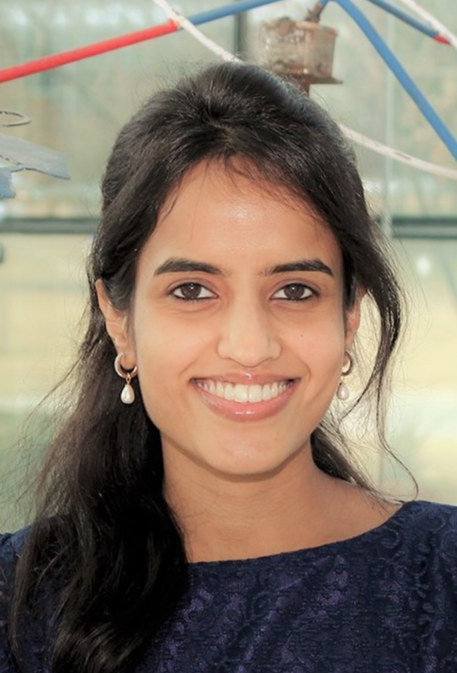
Has over 8 years of research experience in understanding the molecular basis of Neuropsychiatric and Neurodevelopmental disorders. She currently works as a Scientist with Dr. Laura Lavery at Rice University, Houston to discover novel therapies patients with neurodevelopmental disorders. Following her masters and doctoral degree in Neuroscience from University of Texas at Dallas in 2016, she completed her first postdoctoral training at UT Southwestern Medical Center under the mentorship of Dr. Craig Powell.
She then completed her second postdoctoral training at Baylor College of Medicine, Houston under the mentorship of Dr. Huda Zoghbi who has received many accolades including the Breakthrough prize, Brain Prize and the Kavli Prize. Roopashri has over 6 years of experience with teaching and mentoring students.
At The University of Texas at Dallas, she coached students on research design, planning and execution in addition to assisting professors with lectures and evaluations. As an experienced biomedical researcher who is also passionate about teaching, she can effectively coach students. Her diverse educational background combined with her mentoring experiences positions her well to turn her passion into practice. During her free time, Roopashri enjoys photography, cooking, and spending time with her family.
Frequently Asked Questions
Do I need prior research experience?
Is the program conducted online?
Who is this program designed for?
Will this program help with college applications?
What will I gain after completing the program?
Check out the Videos of Presentations from Previous Participants